
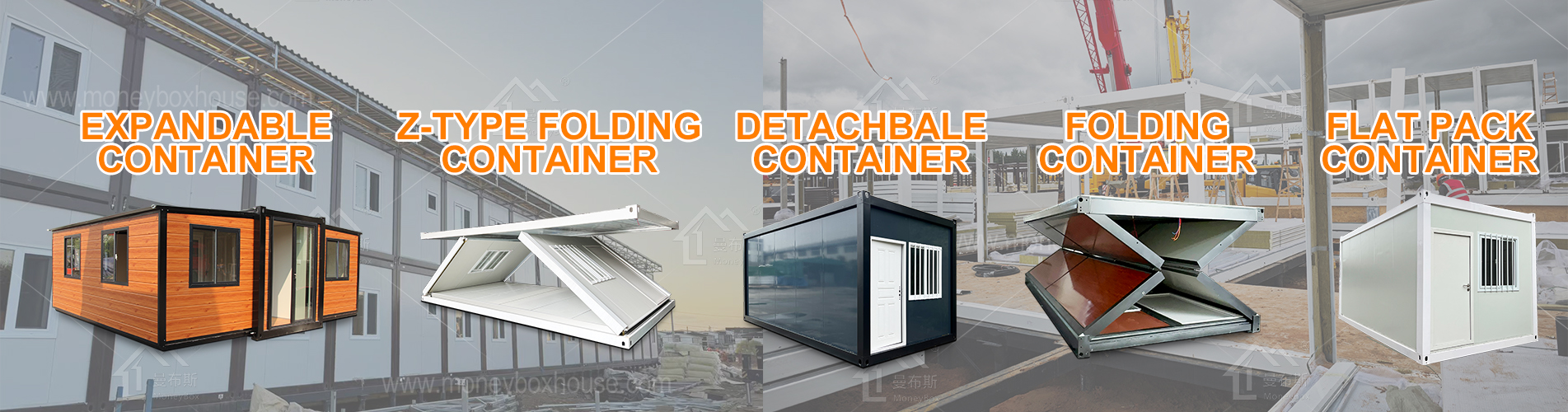
Perché le case container pieghevoli a Z stanno diventando la scelta preferita per i progetti di alloggiamento su larga scala
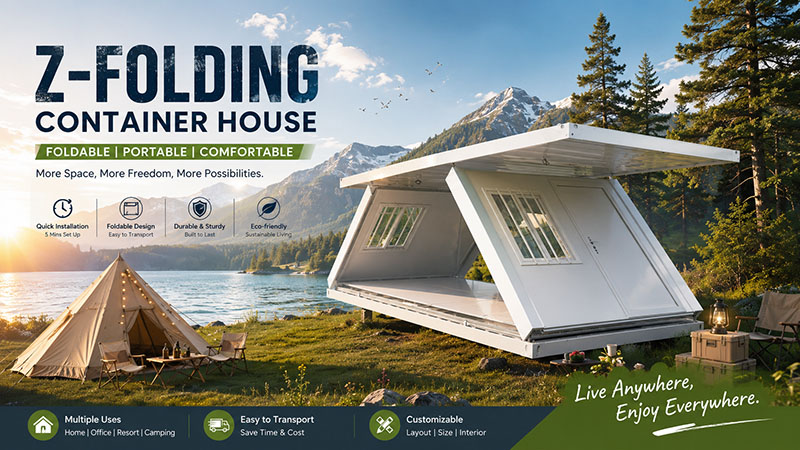
Mentre le industrie globali continuano ad espandersi in località remote, la domanda di soluzioni abitative rapide, convenienti e affidabili non è mai stata così elevata. Le aziende minerarie, gli appaltatori edili, le agenzie governative e le organizzazioni umanitarie affrontano tutte la stessa sfida: fornire spazi abitativi confortevoli rapidamente mantenendo i costi sotto controllo.
Negli ultimi anni, le case container pieghevoli a Z sono emerse come una delle soluzioni più pratiche per i progetti di alloggiamento su larga scala. Il loro design innovativo, la capacità di installazione rapida e l'efficienza dei costi le rendono un'alternativa interessante ai metodi di costruzione tradizionali.
Che cos'è una casa container pieghevole a Z?
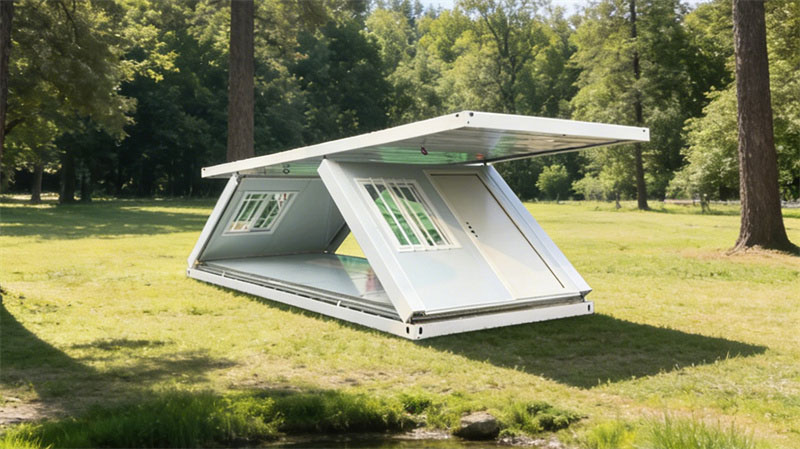
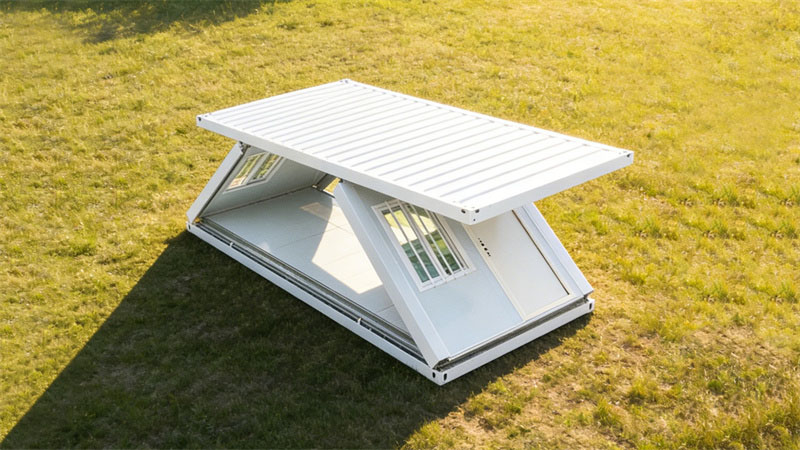
Una casa container pieghevole a Z è un edificio modulare prefabbricato progettato per essere piegato durante il trasporto ed espanso in loco in un breve periodo di tempo. A differenza delle case container convenzionali, la struttura pieghevole riduce significativamente il volume di spedizione, consentendo di trasportare più unità in un singolo container.
Una volta consegnata al luogo del progetto, la casa può essere aperta e installata con un impiego minimo di manodopera e attrezzature.
Vantaggi principali delle case container pieghevoli a Z
1. Installazione rapida
Il tempo è spesso il fattore più critico nei progetti su larga scala. Gli edifici tradizionali possono richiedere mesi di costruzione, mentre le case container pieghevoli a Z possono essere installate in poche ore.
Per i progetti che richiedono centinaia di unità abitative, questa capacità di installazione rapida può far risparmiare settimane o persino mesi di tempo di preparazione del progetto.
2. Costi di trasporto inferiori
Il trasporto è una delle spese maggiori nei progetti remoti. Poiché le case container pieghevoli a Z possono essere ripiegate in dimensioni compatte, un numero significativamente maggiore di unità può essere caricato in container di spedizione o camion.
Questo riduce i costi logistici e rende il trasporto internazionale più economico.
3. Opzioni di disposizione flessibili
Le moderne case container pieghevoli a Z possono essere combinate e personalizzate per creare:
* Dormitori per lavoratori
* Uffici di cantiere
* Sale riunioni
* Sale da pranzo
* Cliniche mediche
* Centri di formazione
* Postazioni di sicurezza
Più unità possono essere collegate orizzontalmente o verticalmente per creare spazi funzionali più grandi.
4. Resistenti e impermeabili alle condizioni atmosferiche
Prodotte con strutture in acciaio zincato e pannelli sandwich isolanti, le case container pieghevoli a Z sono progettate per resistere a diverse condizioni ambientali.
Offrono un'eccellente resistenza a:
* Vento
* Pioggia
* Umidità
* Corrosione
* Temperature estreme
Questo le rende adatte a progetti situati in deserti, regioni tropicali, aree costiere e zone minerarie.
5. Soluzione di costruzione sostenibile
Rispetto agli edifici convenzionali, le case container prefabbricate generano meno rifiuti di costruzione e richiedono meno risorse in loco.
Molti componenti possono essere riutilizzati o trasferiti dopo il completamento del progetto, rendendole un'opzione rispettosa dell'ambiente.
Applicazioni comuni
Campi minerari
Le operazioni minerarie spesso si svolgono in regioni remote dove la costruzione tradizionale è difficile e costosa. Le case container pieghevoli a Z offrono una soluzione pratica per alloggi dei lavoratori, uffici, strutture per la ristorazione e aree ricreative.
Alloggi per cantieri edili
I grandi progetti infrastrutturali richiedono alloggi temporanei per lavoratori, ingegneri e team di gestione. Gli alloggi modulari in container consentono agli appaltatori di creare strutture abitative complete in un breve periodo di tempo.
Dormitori studenteschi
Le istituzioni educative che registrano una rapida crescita delle iscrizioni possono utilizzare abitazioni container come soluzioni temporanee o permanenti per dormitori. Il design modulare consente una facile espansione quando è richiesta ulteriore capacità.
Campi per rifugiati e progetti umanitari
I governi e le ONG richiedono frequentemente soluzioni abitative di emergenza in seguito a disastri naturali o crisi umanitarie. Le case container pieghevoli a Z possono essere trasportate rapidamente e assemblate velocemente, fornendo un riparo sicuro alle popolazioni sfollate.
Operazioni militari e in aree remote
La mobilità e la resistenza delle case container pieghevoli le rendono adatte per campi militari, uffici sul campo e basi operative remote.
Confronto tra case container pieghevoli a Z e costruzioni tradizionali
| Caratteristica | Casa container pieghevole a Z | Edificio tradizionale |
| Tempo di costruzione | Giorni | Mesi |
| Efficienza del trasporto | Elevata | Bassa |
| Necessità di manodopera | Minima | Elevata |
| Possibilità di ricollocazione | Eccellente | Nessuna |
| Investimento iniziale | Inferiore | Superiore |
| Impatto ambientale | Inferiore | Superiore |
Il confronto dimostra chiaramente perché molte organizzazioni stanno passando verso soluzioni di costruzione modulare.
Tendenze future nell'edilizia modulare
Il mercato globale delle costruzioni modulari continua a crescere rapidamente. Poiché la carenza di manodopera, l'aumento dei costi dei materiali e le preoccupazioni sulla sostenibilità influenzano l'edilizia tradizionale, sempre più aziende si stanno rivolgendo a sistemi abitativi prefabbricati.
Le case container pieghevoli a Z rappresentano un importante passo avanti nella tecnologia dell'edilizia modulare. La loro combinazione di convenienza economica, mobilità e rapidità le rende ideali sia per esigenze di alloggio temporanee sia a lungo termine.
Conclusione
Per le organizzazioni alla ricerca di soluzioni abitative efficienti, le case container pieghevoli a Z offrono un'alternativa convincente alla costruzione convenzionale. Che si tratti di campi minerari, cantieri edili, alloggi per studenti o progetti umanitari, questi edifici modulari offrono installazione rapida, costi di trasporto inferiori ed eccellente flessibilità.
Poiché le esigenze dei progetti continuano a evolversi, si prevede che le case container pieghevoli a Z svolgeranno un ruolo sempre più importante nel futuro dell'edilizia modulare in tutto il mondo.


 Servizio Online
 +86-020-34800775+8618818900230
 export@moneyboxhouse.com
 +8615920397177
 1198017314
 italiano
  English
 español
 français
 Deutsch
 русский
 português
 Nederlands
 Ελληνικά
 हिन्दी