
Dalla mia esperienza come project manager, il modo più rapido per perdere denaro in un sito remoto non è una cattiva progettazione; è sottovalutare la logistica. Ogni giorno in cui il tuo campo non è operativo, il tuo progetto perde denaro. L'edilizia tradizionale in queste località non è solo lenta; è spesso impossibile.
È qui che gli alloggi modulari per i campi minerari diventano la via fondamentale per il successo.
Ma l'acquisto di strutture per campi di lavoro non è un semplice "buy box". È una decisione strategica che ha un impatto sul budget, sui tempi di implementazione e sulla fattibilità del progetto. Questa guida elimina il linguaggio commerciale per concentrarsi su ciò che interessa davvero ai Project Manager: costo totale di proprietà (TCO), velocità di implementazione e conformità HSE.
La sfida principale: la trappola del TCO contro il costo iniziale
Un responsabile acquisti inesperto vede il prezzo unitario. Un Project Manager esperto vede il costo totale di proprietà (TCO).
Abbiamo visto troppi progetti ritardati semplicemente perché è stata scelta la tipologia di abitazione sbagliata in base a un prezzo di listino basso, il che ha portato a costi di trasporto esorbitanti.
Il tuo TCO è il numero reale e include:
- Logistica (il vero killer): Quante unità possono essere contenute in un container da 40 HQ? Questo è spesso il fattore di costo principale.
- Velocità di assemblaggio: Quante ore-uomo per unità? Il tempo è denaro.
- Costi operativi: La qualità dell'isolamento (case container isolate) determina le bollette energetiche (riscaldamento/raffreddamento) a lungo termine in loco.
- Smobilitazione e ridistribuzione: È possibile ripiegarlo e spostarlo sul progetto successivo? O è un costo irrecuperabile?
Concentrarsi sul TCO fin dal primo giorno è l'unico modo per pianificare una soluzione abitativa per i lavoratori davvero conveniente.
Fase 1: Selezione del "DNA" strutturale del tuo campo (una soluzione mista)
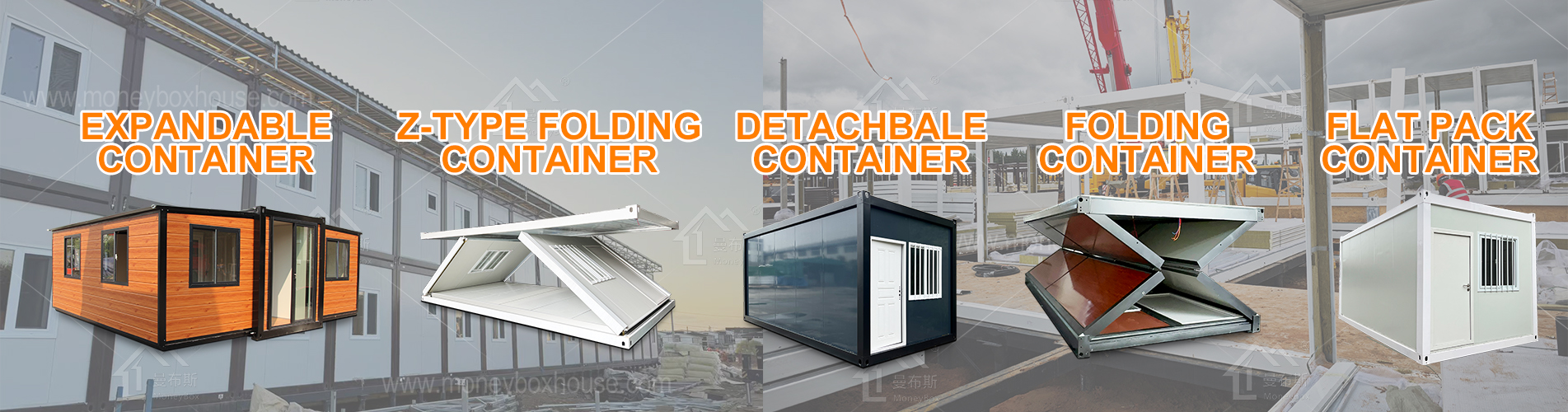
Nessun singolo prodotto risolve ogni problema. In qualità di produttore di una linea completa di prodotti, Moneybox consiglia un approccio "combinato" basato sulle fasi specifiche del tuo progetto.
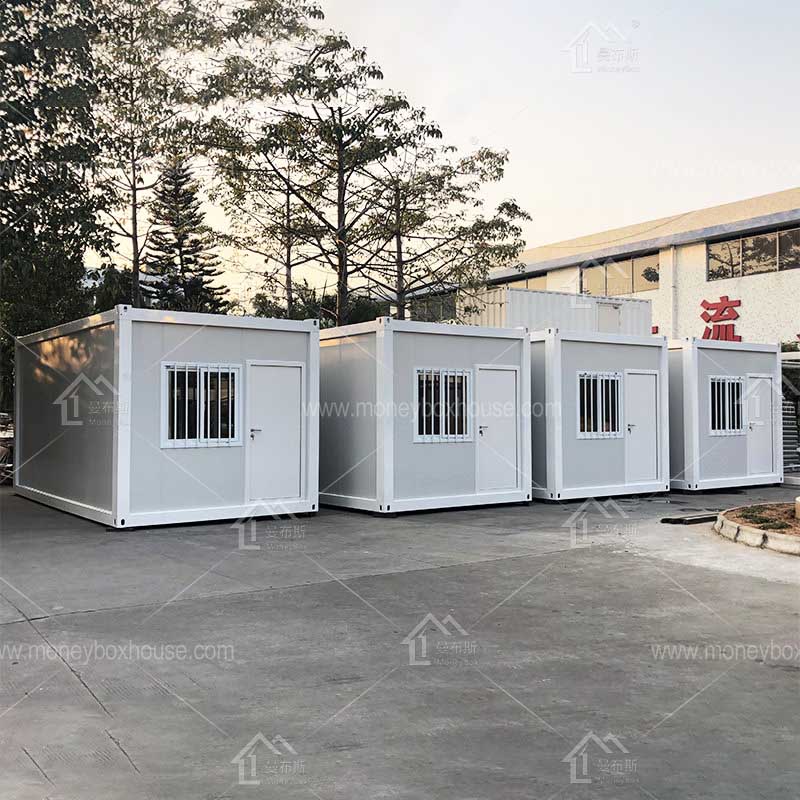
1.1. La casa container prefabbricata
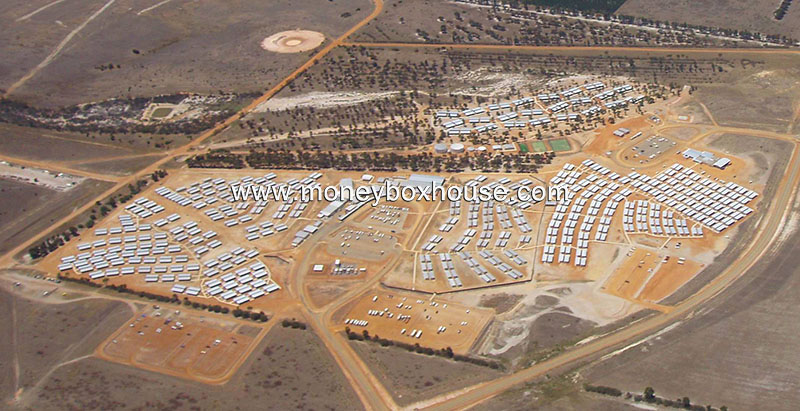
Questo è lo standard per i dormitori principali del tuo campo minerario. I kit modulari non sono certo un granché, ma funzionano. Questo è ciò che conta quando si costruisce per 500 persone nel bel mezzo del nulla.
- Vantaggio TCO: Densità di spedizione imbattibile. Carichiamo 6-8 unità in un singolo container da 40 HQ, abbattendo i costi di trasporto.
- Caso d'uso: Dormitori per i dipendenti principali, uffici di grandi dimensioni e alloggi a lungo termine.
- Vedi il prodotto: Soluzioni per case container in kit
1.2. L'unità "First Response": casa container pieghevole
Ora, immagina questo: il tuo primo equipaggio arriva dopo un viaggio di 14 ore. L'ultima cosa di cui hanno bisogno è passare due giorni a costruire i propri dormitori.
Questa è l'unità "Prima Risposta": la Casa container pieghevole .
- Vantaggio TCO: Velocità di distribuzione imbattibile. Un team di 2 persone può costruire una casa container pieghevole in 10 minuti Ciò che si perde in densità di spedizione, si guadagna in "tempo di occupazione".
- Caso d'uso: Uffici di team avanzati, cucine iniziali, cliniche di emergenza o posti di blocco temporanei.
1.3. L'opzione ad alta densità: casa prefabbricata di tipo K
Quando il budget è il fattore principale e si ha bisogno di massimizzare il metro quadro per dollaro per una configurazione su larga scala a due piani, i pannelli Sistema di tipo K è la risposta.
- Vantaggio TCO: Il costo di approvvigionamento più basso al metro quadro.
- Caso d'uso: Grandi alloggi prefabbricati per il lavoro, mense e scuole temporanee.
Panoramica: tabella di confronto delle soluzioni
| Caratteristica | Contenitore piatto | Contenitore pieghevole | Casa a pannelli di tipo K |
| Densità di spedizione (TCO) | 8 unità/40HQ | 10 unità/40HQ | Basato sui materiali |
| Velocità di assemblaggio | 2-3 ore | 10 minuti | Giorni |
| Impilabilità | Fino a 3 alti | Fino a 2 alti | Fino a 3 alti |
| Ideale per... | Campi su larga scala | Dispiegamento rapido | Massima densità / basso budget |
Fase 2: Pianificazione delle strutture del campo minerario per HSE e morale
I principali clienti del settore minerario e delle imprese EPC hanno rigorosi standard HSE (Salute, Sicurezza, Ambiente). Non si tratta solo di burocrazia: il benessere dei lavoratori è un requisito imprescindibile per l'approvazione dei progetti e la fidelizzazione del personale.
Per indicazioni, consultare gli standard dell'ILO sugli alloggi dei lavoratori.
- Dormitori e abluzioni: Il container che ospita il dormitorio dei lavoratori deve soddisfare gli standard di ventilazione, spazio per persona e igiene. Le nostre soluzioni sono progettate con superfici resistenti e facili da pulire e un'adeguata ventilazione per prevenire la formazione di muffe e garantire la salute dei lavoratori.
- Cucine e mense: Gli alloggi modulari di livello industriale con servizi di ristorazione devono soddisfare gli standard di sicurezza alimentare (ad esempio superfici in acciaio inossidabile, pavimenti antiscivolo) in conformità con le linee guida dell'OMS.
- Ricreazione e benessere: Un buon campeggio offre un "terzo spazio". Una palestra modulare, una sala relax o una sala di preghiera migliorano notevolmente il morale e riducono il turnover del personale.
Fase 3: La logistica delle unità abitative in siti remoti
Un prodotto è inutile se resta bloccato in porto. È qui che l'esperienza di un fornitore vale più del suo prezzo.
Con Oltre 10 anni di esperienza nell'esportazione in oltre 130 paesi Moneybox è un partner logistico. Conosciamo la documentazione per l'Africa, i requisiti doganali per il Sud America e le rotte di spedizione per il Sud-est asiatico. Garantiamo che i vostri campi modulari mobili arrivino in loco, puntuali.
Conclusione: non limitarti ad acquistare container. Costruisci un accampamento che funzioni.
Progettare un'infrastruttura abitativa di successo per i campi minerari richiede un equilibrio tra costo totale di proprietà (TCO), velocità e salute e sicurezza (HSE). È un'equazione complessa.
Smetti di "acquistare" semplicemente container abitativi portatili. Inizia a progettare la soluzione per il tuo progetto.
Parliamo del tuo sito e troviamo il mix giusto.
- Richiedi un preventivo per una soluzione di campo minerario
- Esplora tutti i campi dei lavoratori
Domande frequenti (FAQ) sugli alloggi nei campi minerari
1. Come si costruiscono gli alloggi temporanei per i lavoratori? Non è necessario. I progetti moderni si avvalgono della collaborazione di un produttore specializzato come Moneybox. Realizziamo le unità fuori sede nel nostro stabilimento (come unità pieghevoli o montate su kit). Queste vengono spedite presso la vostra sede remota e assemblate in pochi giorni, non mesi, con un notevole risparmio sui costi di manodopera e sui tempi di progetto.
2. Quali sono i materiali migliori per gli alloggi prefabbricati nei campi? Il materiale "migliore" dipende dall'ambiente e dal budget.
- Struttura: Telaio sempre in acciaio zincato leggero per garantire la massima durata.
- Pannelli murali: I pannelli sandwich in lana di roccia offrono la migliore resistenza al fuoco (fondamentale per la sicurezza). I pannelli in PU (poliuretano) offrono il miglior isolamento termico (ideale per climi estremi). I pannelli in EPS offrono il rapporto qualità-prezzo più conveniente.
3. Quali sono le misure di sicurezza presenti nei dormitori dei campi di lavoro? La sicurezza è fondamentale. Le misure di sicurezza nei dormitori dei campi di lavoro devono includere pannelli murali ignifughi (come la lana di roccia), uscite di emergenza ben visibili, pavimenti antiscivolo nelle aree di lavaggio (bagnate) e cablaggi elettrici certificati per prevenire cortocircuiti.
4. Quali sono le normative per i campi di lavoro situati in prossimità di siti remoti? Le normative per i campi di lavoro variano da paese a paese, ma spesso si basano sugli standard internazionali dell'OMS (Organizzazione Mondiale della Sanità) e dell'OIL (Organizzazione Internazionale del Lavoro). Questi standard riguardano lo spazio minimo per persona, la ventilazione, gli standard igienico-sanitari e l'accesso all'acqua potabile. Un buon fornitore fornisce un prodotto "pronto per la conformità".


 Servizio Online
 +86-020-34800775+8618818900230
 export@moneyboxhouse.com
 +8615920397177
 1198017314
 italiano
  English
 español
 français
 Deutsch
 русский
 português
 Nederlands
 Ελληνικά
 हिन्दी